Hyperspectral Ice & Moisture Detection for Martian Surface Analysis - NASA Space Tech
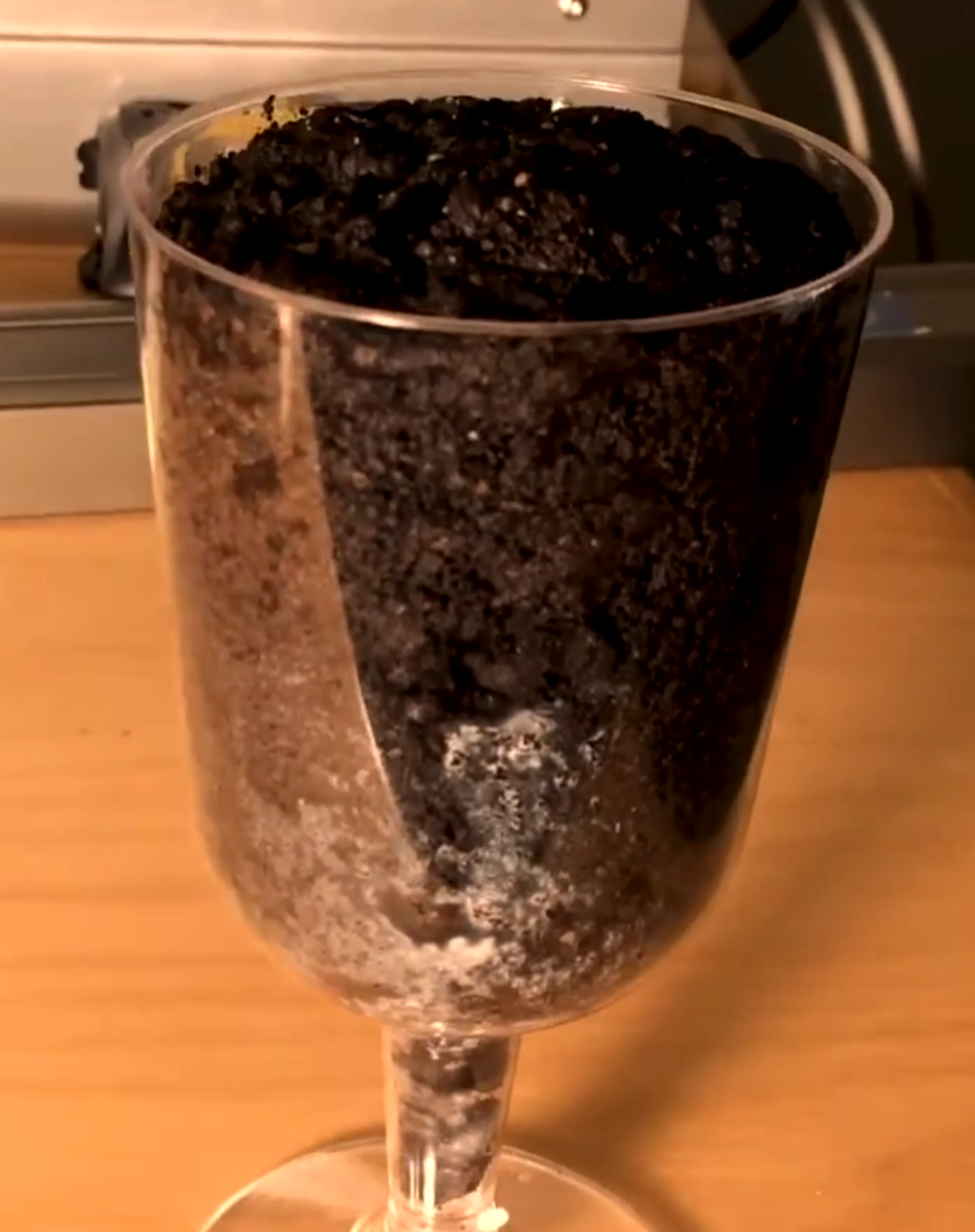
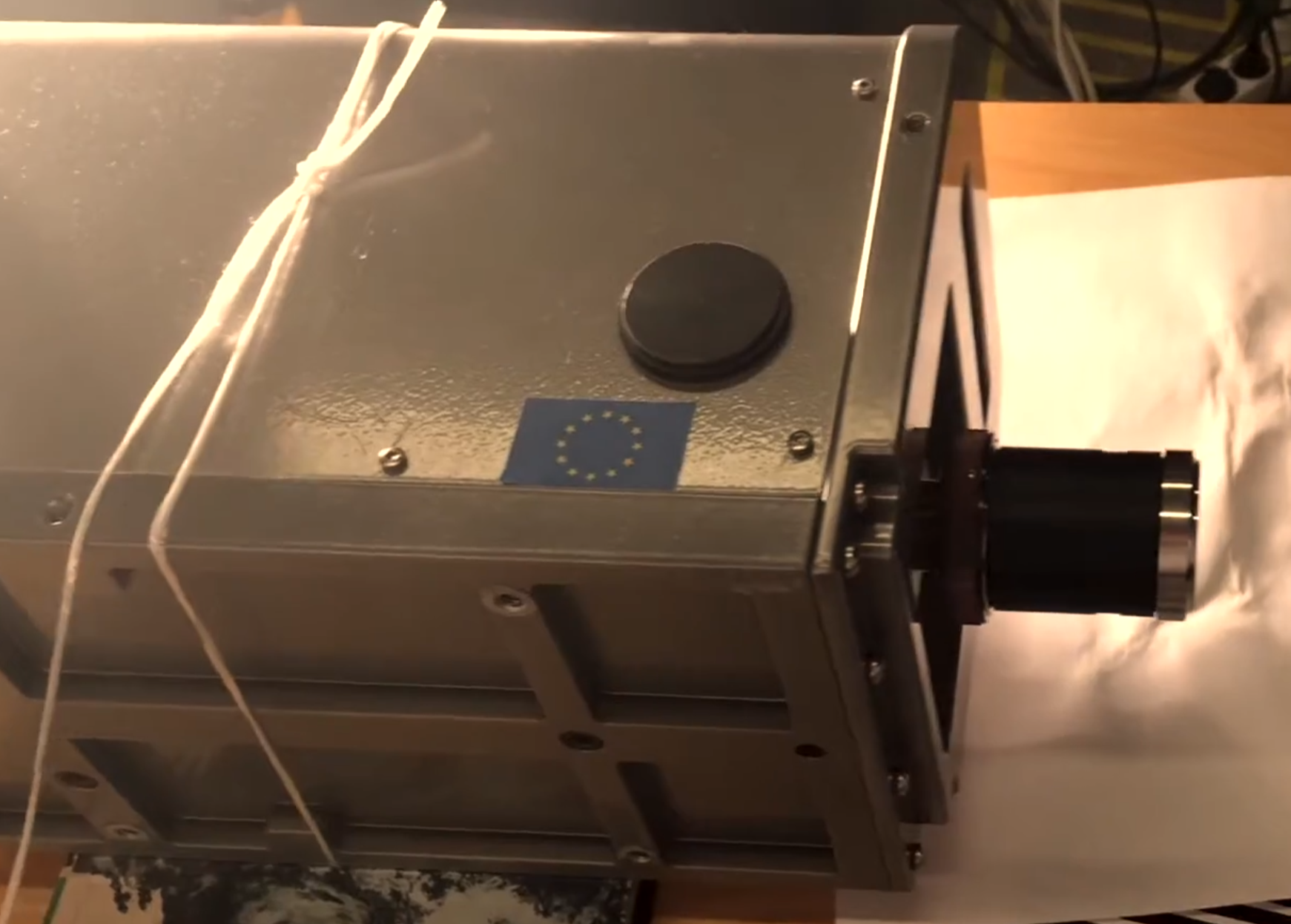
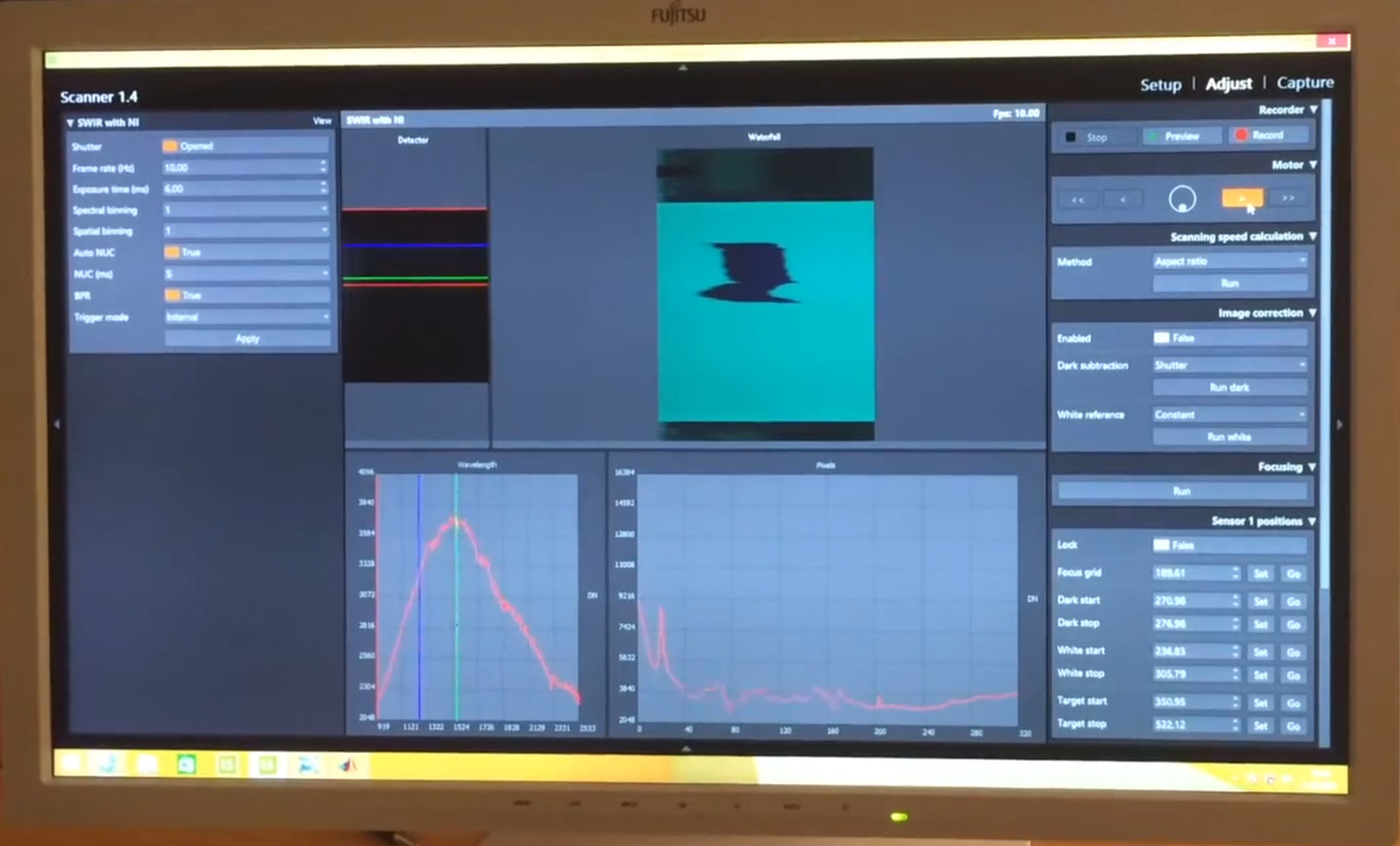
Conducted a spectral imaging research experiment in collaboration with NASA to investigate the feasibility of detecting and quantifying ice and moisture content on the Martian surface using hyperspectral analysis. Using a hyperspectral line-scan camera operating across the 900–2500 nm SWIR range, controlled laboratory experiments were designed to capture reflectance signatures of soil samples at varying moisture content levels (0% to 75%). Analysis of the hyperspectral data identified two key water absorption bands — 1455 nm and 1925 nm — where reflectance magnitude exhibits a strong, consistent correlation with moisture content, with the 1925 nm band providing the most discriminative signal. A machine learning-based prediction model was developed using these spectral features as inputs, achieving moisture content estimation accuracy of up to 90%. The findings further validate the approach for ice detection on Mars, supported by literature confirming that water and ice share absorption spectra of similar shape, with the additional advantage that ice absorbance strengthens at lower ambient temperatures — directly aligned with Martian surface conditions. This work demonstrates the viability of passive hyperspectral sensing as a non-contact, scalable method for subsurface moisture and ice mapping in planetary exploration contexts.
Tools & Architecture Used:
 - Python
 - Opencv
 - Classical CV methods
 - Machine learning methods
 - Spectral

 Thiyaga Bot